
Mass Storage, Single Source
As magnetic storage limits push physical boundaries, the entire cloud industry is forcing a transition to a material only one company can reliably scale.

Disclosure: I do not hold a position in this company as of now to avoid confirmation bias in my articles. Not financial advice. Do your own research.
Content:
Overview
Company Overview
Utilization
Brief Detour
Commentary
Overview
You know about SSDs, basically the modern way data is stored in computers now.
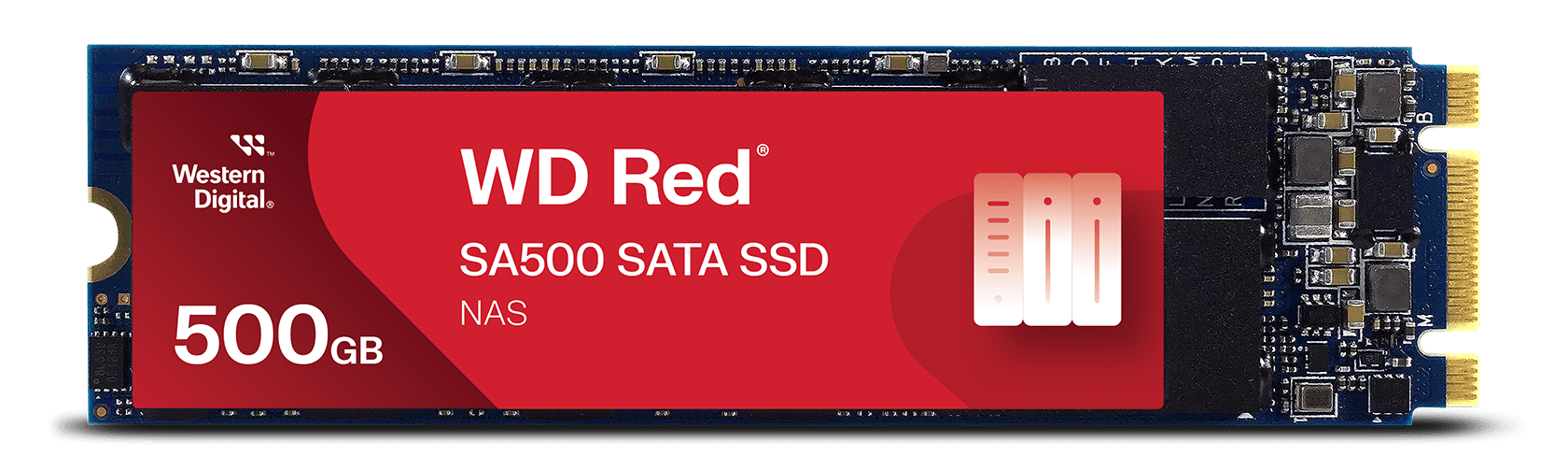
Unlike traditional Hard Disk Drives (HDDs) that read and write data on spinning magnetic platters, SSDs have no moving parts. Instead, they store data electronically using flash memory, making them significantly faster, quieter, and more durable than their mechanical predecessors.
How do you decide what to use? HDD or SSD? Well, it comes down to whether data is hot or cold.
Hot data: Data that is accessed frequently and requires high-speed response makes SSD optimal
Cold data: Data that is not accessed frequently but requires long-term storage makes HDD optimal
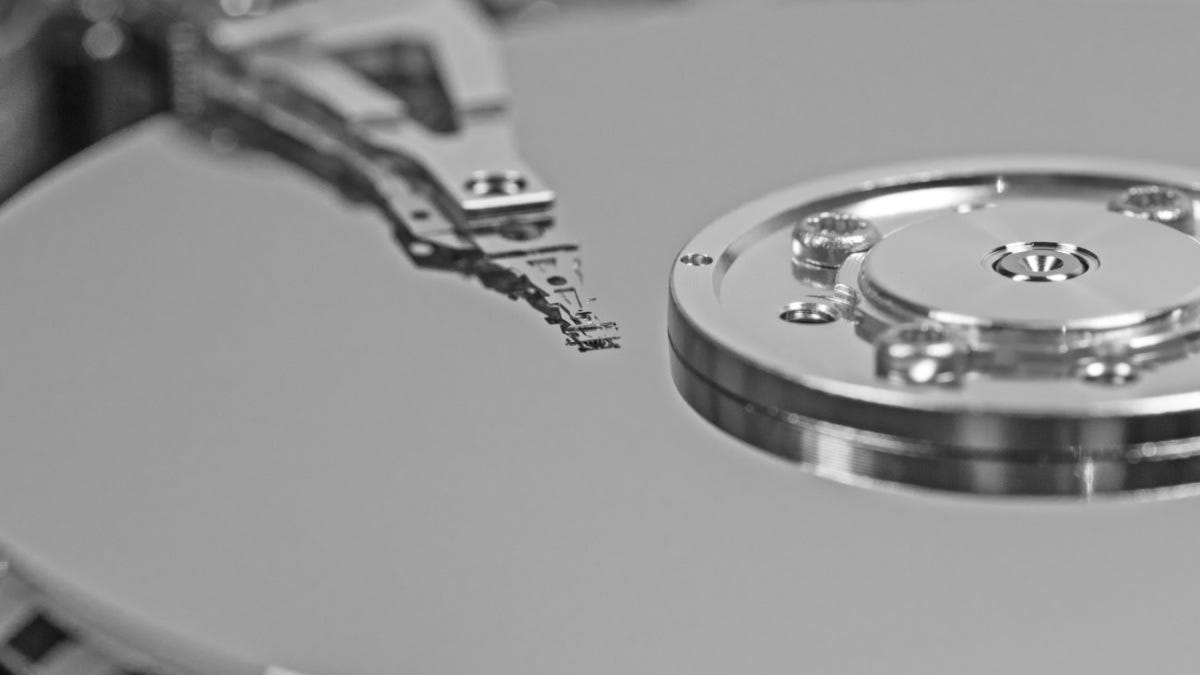
As a result, today, I will be discussing the evil twin, HDDs. Hard Disk Drives.
Hard disk drives are typically used in computers, but nowadays, you can find them to be used in servers as well.
HDDs are a non-volatile data storage device. Non-volatile refers to storage devices that maintain stored data when turned off. All computers need a storage device, and HDDs are just one type.
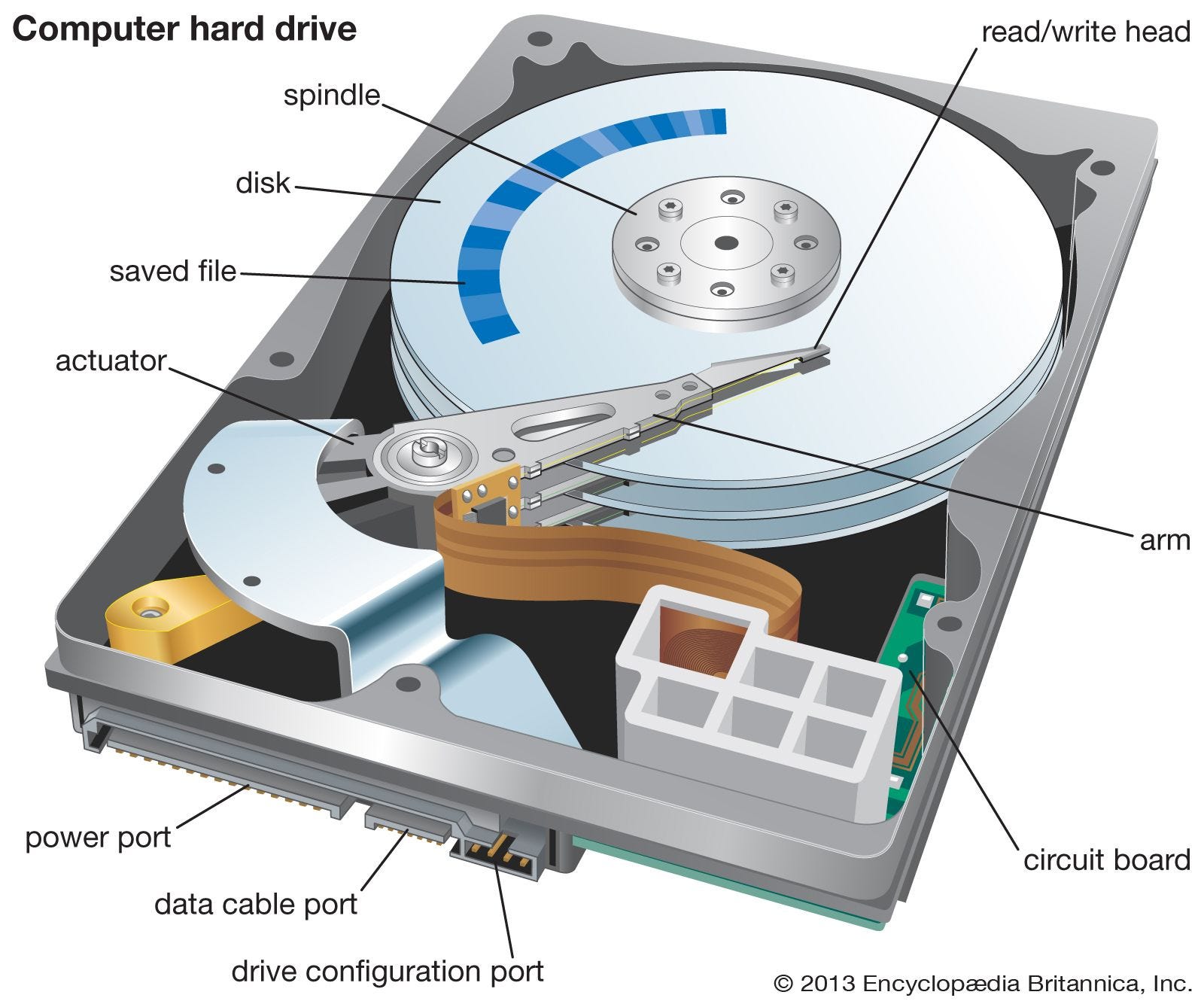
The evolution of HDDs over the years is quite marvelous:
1953–1956: IBM engineers developed the first hard disk drive to offer affordable, high-capacity random-access data storage. Shipping in 1956, these refrigerator-sized units held just 3.75 MB. Other companies in this space included Memorex, Seagate, and Western Digital.
1980s: As technology progressed, drive sizes shrank while data density grew. By the mid-1980s, the 3.5-inch and 2.5-inch formats emerged, quickly becoming the standard for personal computers. Storage capacities also began their massive climb from megabytes toward the terabytes we see today.
2007: Hitachi Global Storage Technologies (HGST), which was later acquired by Western Digital, launched the market’s very first 1 TB hard drive.
2012: HGST debuted the first helium-filled HDD. Because helium is lighter and cooler than air, these drives consumed less power, ran more efficiently, and allowed for greater storage density.
2013: Seagate introduced SMR technology, which boosts drive capacity by overlapping magnetic data tracks like shingles on a roof, rather than arranging them side-by-side.
2015–2018: HGST rolled out the first 10 TB drive in 2015. A few years later in 2018, Western Digital launched the 12 TB Purple drive, featuring AI-powered technology tailored for surveillance systems.
2021: Western Digital introduced two 20 TB models: the Ultrastar DC HC560 (optimized for cloud providers, business servers, and NAS devices) and the WD Gold (built for heavy enterprise workloads).
2025: Seagate pushed boundaries further by releasing its Exos series, pushing maximum HDD storage capacities up to 36 TB.
Today, only 3 companies existing produce HDDs: Western Digital, Toshiba, and Seagate
This leads me to introducing a critical component supplier of HDDs…